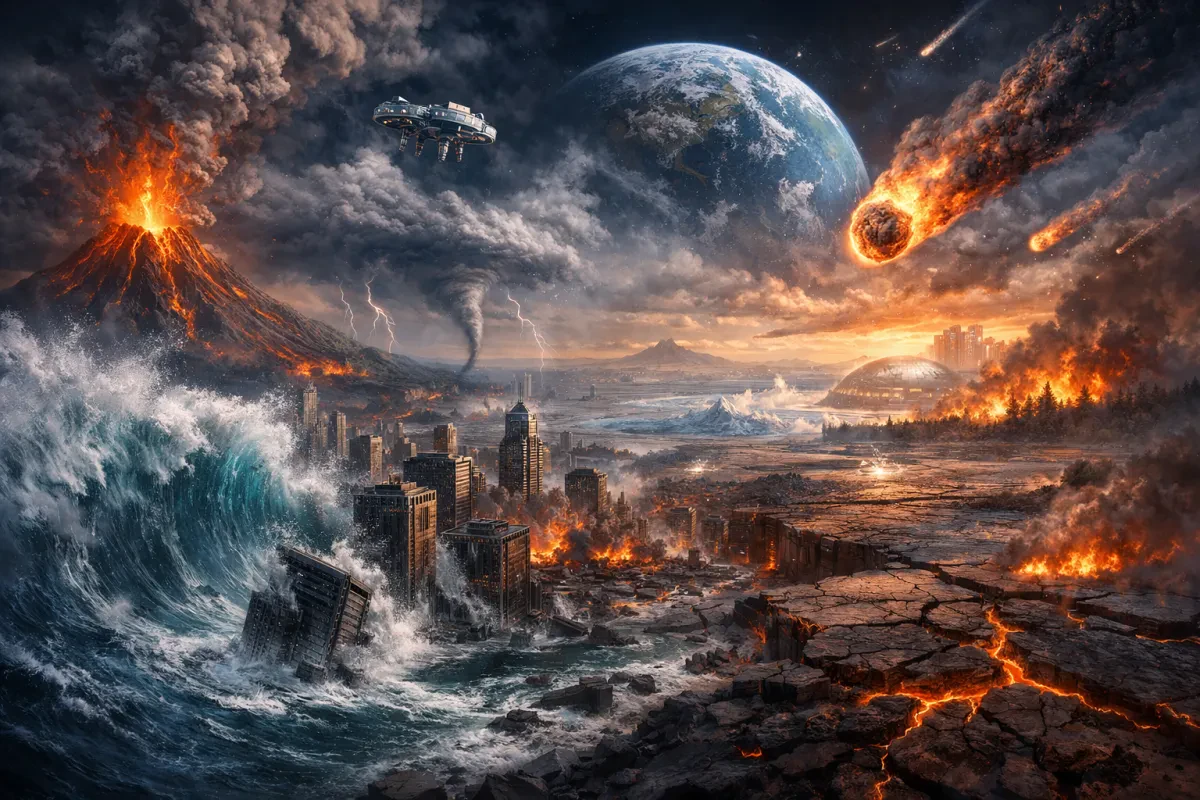
Global disaster predictions are essentially forecasts that help us understand where and when natural disasters might happen in the future. These predictions are based on various factors like historical data, climate patterns, and even technological advancements. The goal is to give communities, governments, and organizations a heads-up so they can prepare and respond effectively.
Scientists and researchers use a mix of data from satellites, weather models, and seismic activity to create these global disaster predictions. For example, they can predict hurricanes or earthquakes by analyzing past occurrences and environmental changes. This is super important since it can save lives and property by helping people evacuate or take precautions ahead of time.
It's not just about predicting natural disasters like floods and wildfires; global disaster predictions also consider the impact of climate change. As our planet heats up, we can expect more extreme weather events, which makes these predictions even more crucial for planning and adaptation efforts. This information can guide where to build infrastructure or even where to live.
While no prediction is perfect, global disaster predictions give us valuable insights that can lead to better emergency preparedness and risk management. The more we know about potential disasters, the better equipped we are to handle them when they hit. It's all about staying one step ahead to protect ourselves and our communities.
The Importance of Early Warning Systems
Early warning systems play a crucial role in keeping communities safe from disasters. They provide timely alerts about potential threats like floods, earthquakes, or hurricanes. This gives people the chance to prepare or evacuate, significantly reducing risks to life and property.
One of the main goals of these systems is to make sure that information reaches everyone who needs it. Whether it's through text alerts, sirens, or social media updates, the quicker people receive warnings, the better their chances of staying safe. Effective communication is key, and it can make all the difference in a crisis situation.
With advances in technology, these systems are becoming more sophisticated. They can analyze data from various sources, providing more accurate global disaster predictions. Imagine a scenario where satellites, weather stations, and even social media feeds combine to give officials a clearer picture of an emerging disaster. That means quicker responses and better preparedness for communities worldwide.
Investing in early warning systems is an investment in safety. Not only can they help save lives, but they also aid in faster recovery after a disaster. When communities know what to expect and how to respond, they can bounce back more quickly, reducing the long-term impacts of catastrophic events.
How Predictions Affect Our Safety
When we think about safety in our daily lives, it's often the small things that come to mind, like wearing a seatbelt or checking the smoke alarm. But what about the bigger picture? Global disaster predictions play a huge role in how we prepare for potential hazards, from earthquakes to floods. These predictions don’t just provide information; they help communities take proactive measures that can save lives and reduce damage.
Understanding global disaster predictions means we can better anticipate when and where disasters might strike. For example, meteorologists use advanced technology to predict severe weather events. This can give people the heads-up they need to seek shelter or prepare their homes. When people know a storm is coming, they can stock up on essentials, reinforcing their safety and comfort.
Additionally, global disaster predictions help governments and organizations focus their resources more effectively. They can allocate funds for infrastructure improvements, emergency services, and public education campaigns. By investing in the right areas ahead of time, communities can increase resilience and lessen the impact of disasters. It’s all about working smarter, not harder, when it comes to safety.
Beyond immediate preparations, these predictions also foster a sense of community. When people are informed about potential risks, they’re more likely to talk to their neighbors and discuss safety plans. This sharing of information can lead to stronger connections and a collective effort to stay safe during emergencies. Safety isn’t just an individual effort; it’s a community endeavor.
Preparing for Possible Future Disasters
When it comes to global disaster predictions, the goal isn't to create fear but to encourage readiness. Understanding what might happen in the future can help us prepare and stay safe. Whether it's natural disasters like hurricanes, earthquakes, or floods, being proactive can make a huge difference.
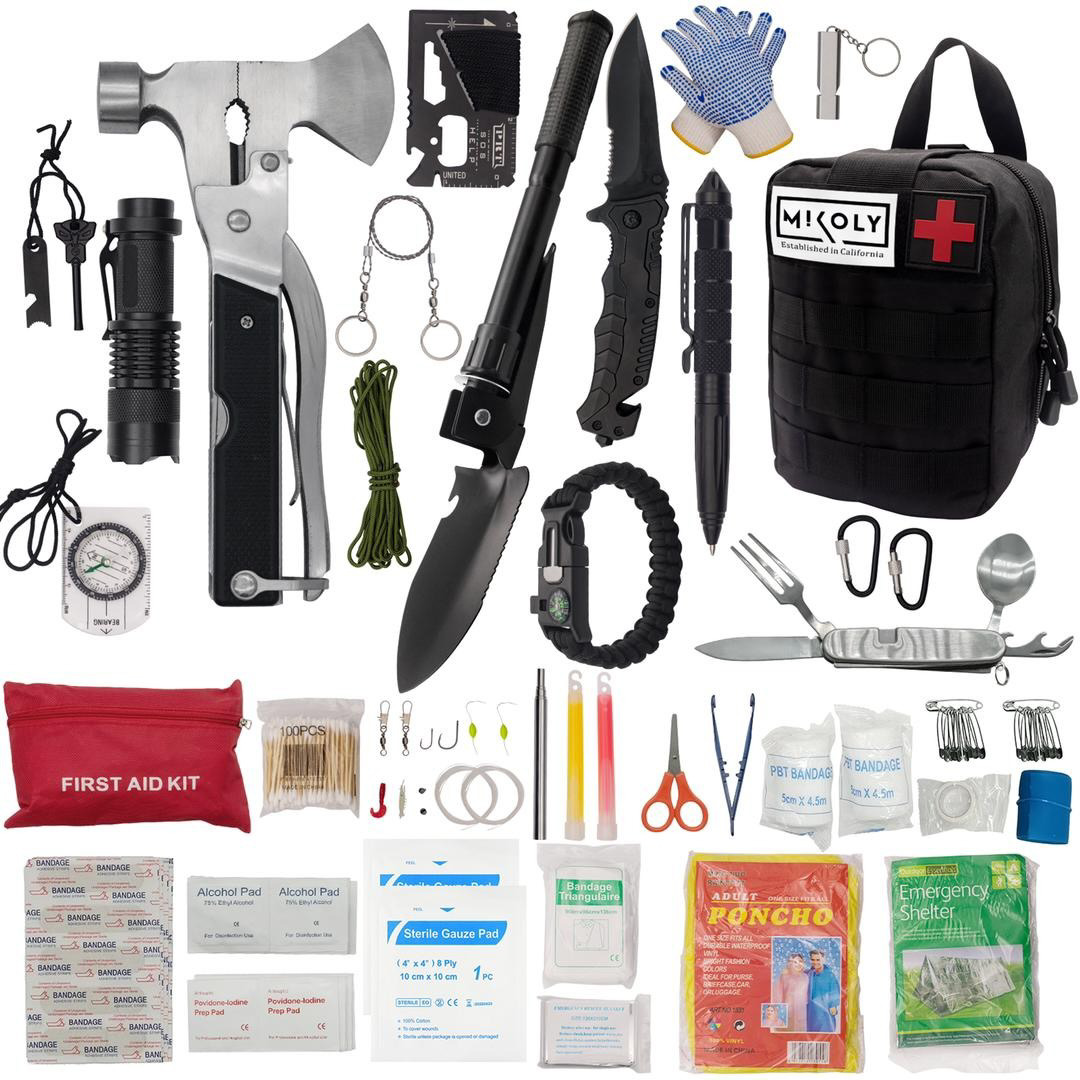
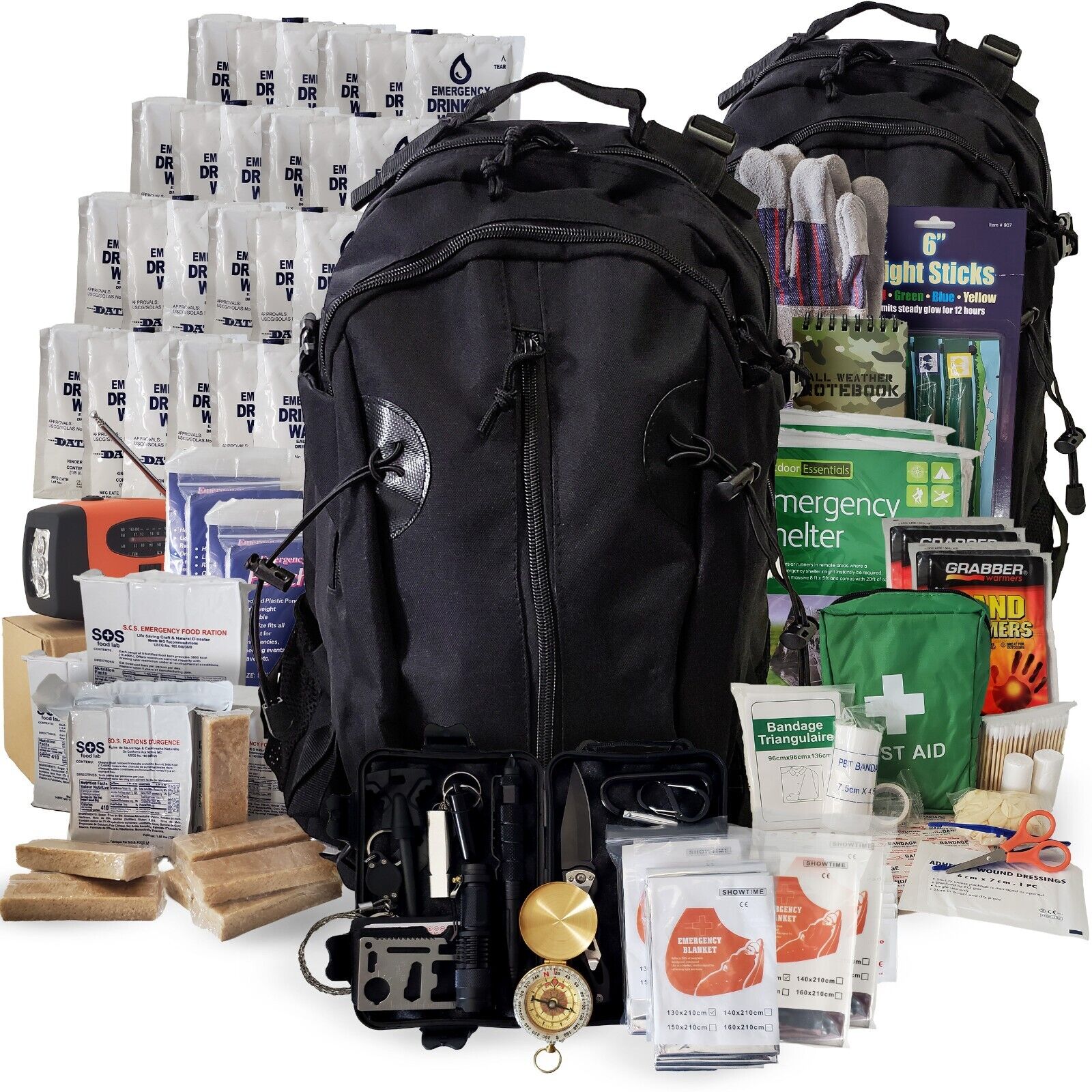
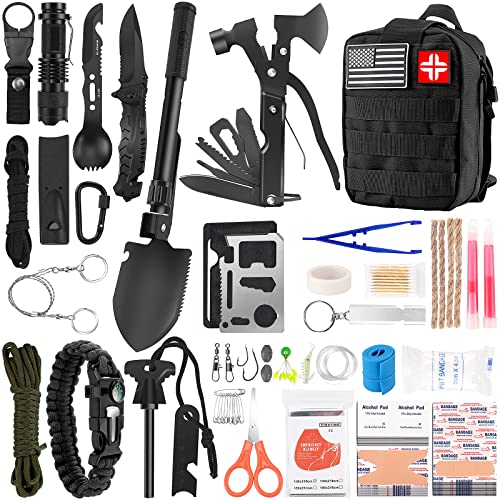
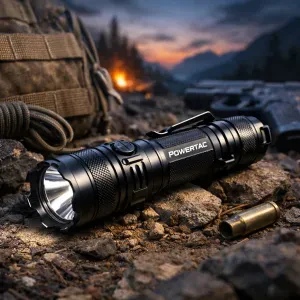
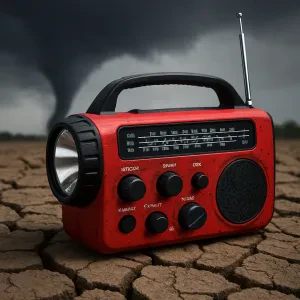
First things first: having an emergency kit is essential. Stock up on basics like water, non-perishable food, a flashlight, and a first aid kit. Don’t forget things like batteries, cash, and any personal medications. You never know when you might need these supplies, so make sure everything is in a backpack and easily accessible.
Next, it's a great idea to make a plan with your family or household. Discuss where you will meet if you need to evacuate and how you'll communicate if you get separated. Having a plan in place can ease anxiety when disasters strike. It's all about knowing what to do when tensions run high!
Lastly, stay informed about your local risks and global disaster predictions. Websites and apps that track weather and disaster alerts are super handy. Knowing what to expect can help you react quickly and confidently when the unexpected happens.